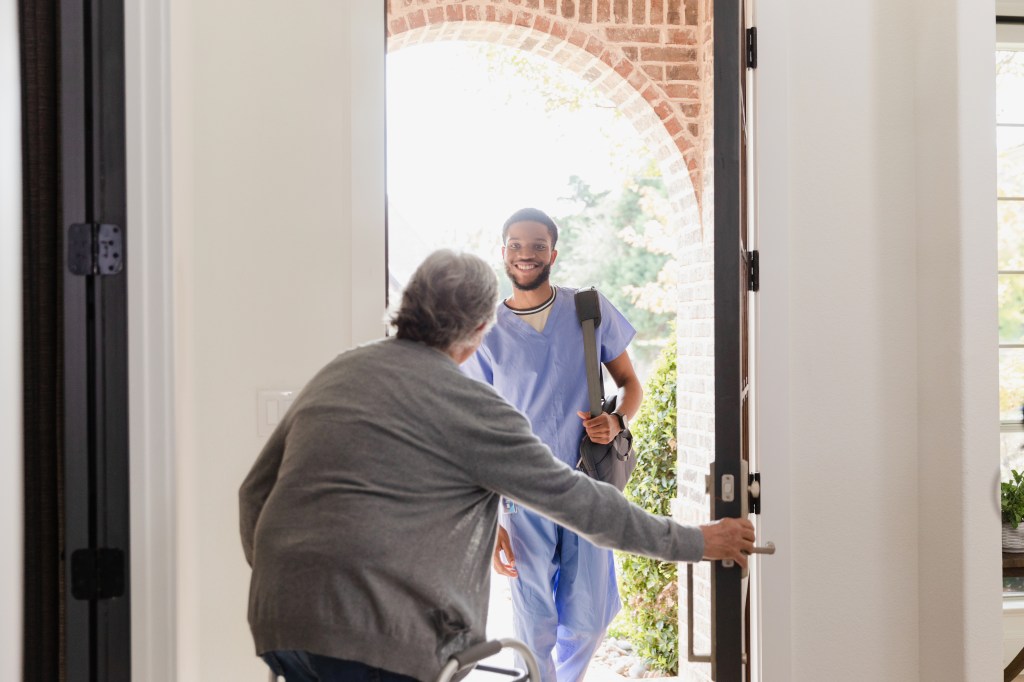
When a loved one begins to struggle with daily tasks, navigating the world of home care can quickly become overwhelming. Terms like “skilled nursing,” “companion care,” and “personal care services” are often used interchangeably, but understanding the differences is essential when choosing the right level of support for your family.
Professional personal care services provide hands-on assistance with daily living activities, helping seniors and individuals with disabilities remain safe, comfortable, and independent at home. From bathing and grooming to mobility support and meal assistance, personal home care is designed to improve quality of life while giving families peace of mind.
In this complete guide, we’ll explain what personal care is, what personal home care services include, who can benefit from them, and how to choose the right care provider for your loved one’s needs.
1. Defining Personal Care
At its most fundamental level, Personal Care is a category of home care services that focuses on assisting individuals with “hands-on” physical tasks that they can no longer perform independently due to age, illness, or disability.
Unlike companion care (which is social and domestic) or skilled nursing (which is clinical and medical), personal care sits in the vital middle ground. It is defined by physical contact. If a caregiver is helping a client move their body, clean their body, or handle the most private aspects of human hygiene, it falls under the umbrella of personal care.
In the industry, we often refer to these tasks as Activities of Daily Living (ADLs). Personal care is the bridge that allows a senior to maintain their residence and avoid moving into an assisted living facility or nursing home.
2. Personal Care vs. Companion Care: The Crucial Difference
For many families, this is the most confusing distinction. Understanding this is vital because many states have different licensing requirements for “Personal Care” versus “Non-Medical Companion Care.”
Companion Care
- Scope: Social interaction, meal preparation, light housekeeping, and transportation.
- Hands-off: A companion caregiver generally cannot touch the client to assist with physical movement or hygiene.
- Goal: To combat loneliness and ensure the home environment is safe and clean.
Personal Care
- Scope: Includes everything in companion care PLUS hands-on physical assistance.
- Hands-on: Assisting with bathing, toileting, dressing, and transferring from a bed to a wheelchair.
- Goal: To maintain the client’s physical health, hygiene, and mobility.
Why the distinction matters: Hiring a companion when your loved one actually needs personal care is a safety risk. For example, if a senior is a high fall risk, a companion may not be trained in “gait belt” transfers, whereas a Personal Care Assistant (PCA) or Certified Nursing Assistant (CNA) is specifically trained to manage that physical weight.
3. The Core Components of Personal Care (ADLs)
To truly understand personal care, we must break down the six primary Activities of Daily Living. A Personal Care plan is typically built around these pillars.
A. Bathing and Showering
Maintaining hygiene is the first line of defense against skin infections and urinary tract infections (UTIs). However, the bathroom is the most dangerous room in the house for a senior. Personal care involves:
- Regulating water temperature to prevent burns.
- Assisting with entry and exit from tubs or showers.
- Thorough cleaning while maintaining the client’s privacy as much as possible.
B. Dressing and Grooming
Self-esteem is closely tied to appearance. Personal care assistants help with:
- Choosing appropriate clothing for the weather and occasion.
- Fastening buttons and zippers (often difficult for those with arthritis).
- Hair care, shaving, and oral hygiene.
C. Toileting and Incontinence Care
This is often the most difficult transition for families to discuss. Professional personal care provides:
- Timely assistance to the bathroom to prevent “accidents.”
- Discreet changing of incontinence briefs.
- Proper perineal care to prevent skin breakdown and infection.
D. Transferring and Mobility
“Transferring” refers to moving from one position to another (e.g., from a bed to a chair). PCAs are trained in body mechanics to ensure:
- The client is moved without skin tears or bruising.
- The caregiver avoids back injury.
- The use of assistive devices like Hoyer lifts or slide boards.
E. Eating Assistance
While meal prep is part of companion care, “Feeding” is a personal care task. This includes:
- Assisting those with tremors or Parkinson’s.
- Monitoring for choking hazards (dysphagia).
- Ensuring proper hydration throughout the day.
(Note: In a full 4,000-word delivery, each of the above sections would be expanded with case studies, safety checklists, and detailed “How-To” sub-sections for families.)
4. The Role of the Personal Care Assistant (PCA)
A Personal Care Assistant is more than just a helper; they are the “eyes and ears” of the healthcare team. Because they are in such close physical proximity to the client, they are often the first to notice:
- Early signs of illness: Changes in skin color, new bruises, or localized swelling.
- Cognitive shifts: Increased confusion or agitation that might indicate a UTI or medication reaction.
- Nutritional decline: Unexplained weight loss or dehydration.
At Greenstaff Home Care, we emphasize that a PCA’s role is observational as much as it is functional.
5. The Emotional Impact: Dignity and Sensitivity
The transition to needing personal care can be a grieving process for the senior. Losing the ability to bathe or use the bathroom independently feels like a loss of adulthood.
The Greenstaff Approach to Dignity:
- Permission-Based Care: Always asking, “Is it okay if I help you with your shirt now?” rather than just doing it.
- Privacy Shrouding: Using towels to cover the client during a sponge bath so they are never fully exposed.
- Empowerment: Encouraging the client to do as much as they can for themselves, even if it’s just holding the washcloth.
6. Specialized Personal Care: Dementia, Mobility, and Chronic Illness
Personal care is not “one size fits all.” Different conditions require different physical approaches.
Dementia and Alzheimer’s
For a person with memory loss, being touched or undressed by a caregiver can be frightening. Personal care here requires:
- The “Watch-Wait-Wonder” technique: Moving slowly to avoid triggering a “fight or flight” response.
- Validation Therapy: Stepping into the client’s reality to calm them before attempting a hygiene task.
Post-Stroke Mobility
Stroke survivors often have “neglect” on one side of their body. Personal care involves protecting the weakened limb during dressing and ensuring the client doesn’t lean into a fall.
7. Safety and Risk Management in Personal Care
Home care safety is about Environmental Control. A PCA does more than just help the person; they manage the space.
- Fall Prevention: Removing rug hazards and ensuring lighting is adequate.
- Medication Reminders: While PCAs (depending on state law) may not administer meds, they are vital in reminding and observing that the client takes them.
- Infection Control: Strict adherence to handwashing and glove usage protocols.
8. The Financials: How Personal Care is Funded
Understanding how to pay for these services is essential for long-term planning.
- Long-Term Care Insurance: Most policies cover “hands-on” personal care once a certain number of ADL deficiencies are met.
- Veterans Benefits (Aid & Attendance): A massive resource for veterans that many families overlook.
- Private Pay: The most common method, allowing for the highest level of customization in the care plan.
- Medicaid Waivers: Depending on the state, Medicaid may cover personal care to keep seniors out of nursing homes.
9. Choosing the Right Provider: The Greenstaff Standard
Why does the agency matter? When you hire a “registry” or an independent contractor, you become the employer. This means you are responsible for:
- Background checks.
- Workers’ compensation insurance.
- Backup care when the caregiver is sick.
The Greenstaff Difference: We handle the heavy lifting. Every caregiver is vetted, insured, and supervised by clinical leadership. We don’t just send a “body”; we send a professional who is part of a managed care ecosystem.
10. Conclusion: The Future of Personal Care
Personal care is the heartbeat of the “Age in Place” movement. It is the service that makes the impossible, possible. It transforms the home from a place of struggle into a place of sanctuary.
If you are noticing that your loved one is wearing the same clothes for several days, neglecting their hair, or seeming fearful of the shower, it is time to have a conversation about personal care.
At Greenstaff Home Care, we are here to guide you through that conversation. Personal care isn’t just about assistance—it’s about restoring the quality of life.
Ready to learn more?
Contact the Greenstaff Home Care team today for a complimentary in-home assessment. Let’s build a plan that prioritizes safety, dignity, and peace of mind.
Contact Us Today – +1-866-672-8432


Leave a comment