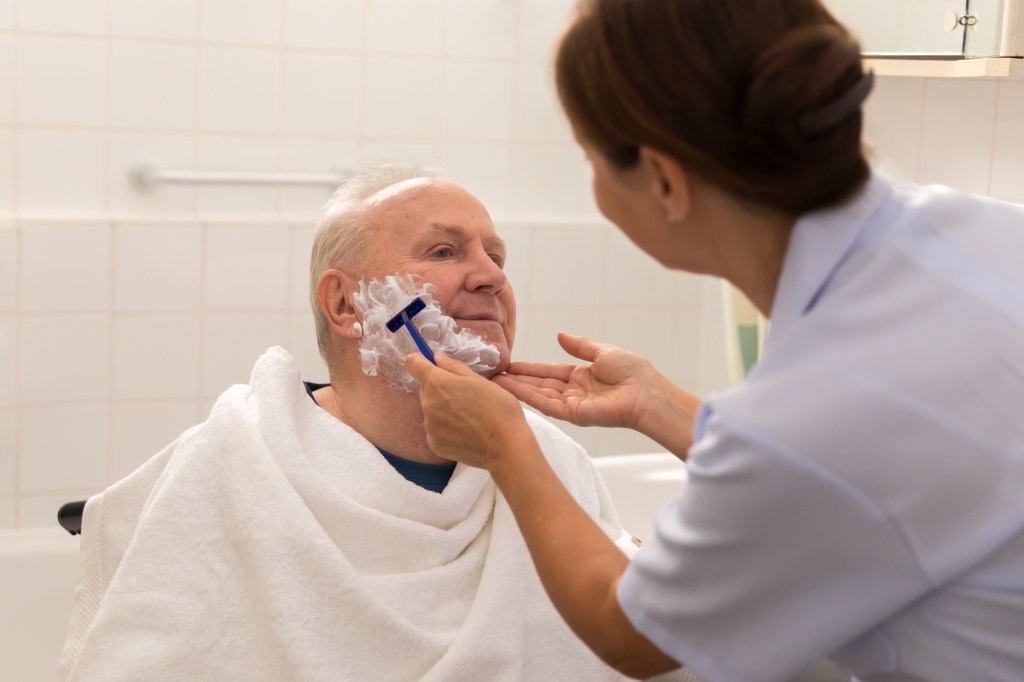
Maintaining independence is a priority for many seniors and individuals with disabilities, but sometimes the activities of daily living (ADLs) become challenging to manage alone. This is where personal care services step in. Unlike general companion care, which focuses on social interaction and light housekeeping, personal care is more hands-on, focusing on the physical needs of a client to ensure their health, hygiene, and safety.
At Greenstaff Home Care, we understand that inviting someone into your home for personal care requires immense trust. Our services are designed to be dignified, respectful, and tailored to the unique needs of every individual. Below, we expand on the specific types of personal care services available to help you or your loved one thrive at home. If you’re unfamiliar with the scope of these services, learn more in our guide, What Is Personal Care in Home Care?
1. Hygiene and Grooming Support
Hygiene is the cornerstone of personal care. When an individual struggles with mobility or cognitive decline, maintaining a regular hygiene routine can become difficult, leading to skin infections or a decline in mental well-being.
- Bathing and Showering: Our caregivers provide various levels of support, from “stand-by assistance” (ensuring safety while the client bathes themselves) to full-body washing for those with limited mobility.
- Oral Health Care: Proper dental hygiene is vital for preventing systemic health issues. Caregivers assist with tooth brushing, flossing, and denture care.
- Hair and Skin Care: This includes washing and styling hair, as well as applying lotions to prevent dry skin and pressure sores, which are common in individuals who spend a lot of time sitting or lying down.
2. Dressing and Morning/Evening Routines
The simple act of getting dressed can be an exhausting task for someone with arthritis or limited range of motion. Personal care assistants help clients start and end their day with confidence.
- Dressing Assistance: We help with selecting appropriate clothing for the weather, managing buttons, zippers, and laces, and putting on compression stockings if required.
- Evening “Tuck-in” Services: As the day ends, caregivers help clients change into sleepwear and ensure they are safely and comfortably positioned in bed for a good night’s rest.
3. Mobility and Transferring Assistance
Safety is the primary concern when it comes to mobility. Falls are a leading cause of injury among seniors, and many of these accidents happen during transitions—moving from a bed to a chair or navigating hallways.
- Transferring: Using proper body mechanics and assistive devices (like gait belts or Hoyer lifts), caregivers help move clients from a seated to a standing position or from a bed to a wheelchair.
- Ambulation: For clients who can still walk but are unsteady, “elbow-side” assistance provides the stability needed to move around the home safely, encouraging physical activity without the fear of falling.
- Positioning: For bedbound clients, personal care includes regular repositioning to prevent the development of painful bedsores and to improve circulation.
4. Toileting and Incontinence Care
While this is often the most sensitive area of home care, it is also one of the most critical for maintaining health and dignity.
- Toileting Assistance: Caregivers help clients get to and from the bathroom safely, assisting with clothing and hygiene throughout the process.
- Incontinence Management: For those who use pads or adult briefs, timely changes are essential to prevent skin breakdown and urinary tract infections (UTIs). Our team handles these tasks with the utmost discretion and professionalism, focusing on keeping the client clean, dry, and comfortable.
5. Nutrition and Feeding Support
Personal care isn’t just about how a person looks; it’s about how they are nourished. Some individuals may have the physical ability to cook but struggle with the mechanics of eating due to tremors or weakness.
- Feeding Assistance: For clients with Parkinson’s, stroke recovery, or advanced dementia, caregivers provide patient, hands-on assistance with eating, ensuring proper chewing and swallowing to prevent choking.
- Hydration Monitoring: Caregivers ensure that clients are drinking enough fluids throughout the day, which is vital for kidney health and cognitive function.
6. Medication Reminders
While personal care aides (PCAs) generally do not administer medications (which is a nursing task), they play a vital role in medication adherence.
- Reminders: A personal care assistant ensures the client takes their medication at the correct time, as prescribed by their doctor.
- Observation: They can also monitor for potential side effects or changes in behavior that might indicate a reaction to a new medication, providing valuable feedback to the family and medical team.
Why Personal Care Matters
The goal of personal care at Greenstaff Home Care is to empower the individual. When the burden of struggling with buttons or fearing a fall in the shower is removed, the individual can focus their energy on the things they love—spending time with family, engaging in hobbies, or simply enjoying their home environment.
By expanding our sub-topics within personal care, we ensure that every “pillar” of a client’s life is supported. Whether it’s 24/7 care or just a few hours a week to help with a morning routine, professional personal care services provide the bridge between needing help and maintaining a high quality of life.
Contact Greenstaff Home Care Today
If you are wondering if personal care is the right fit for your family, our dedicated consultants are here to listen and guide you. We don’t just provide shifts; we provide a commitment to the well-being and dignity of your loved ones.
Visit us at www.greenstaffhomecare.com or call us on +1-866-672-8432 to discuss a personalized care plan today.


Leave a comment